
After Stark UN Warnings, US-China AI Safety Talks Face Their First Test
A day after the heads of OpenAI and Anthropic asked the UN Security Council for shared AI standards and incident reporting, Donald Trump and Xi Jinping meet in Washington with a proposed AI incident-notification channel on the agenda.
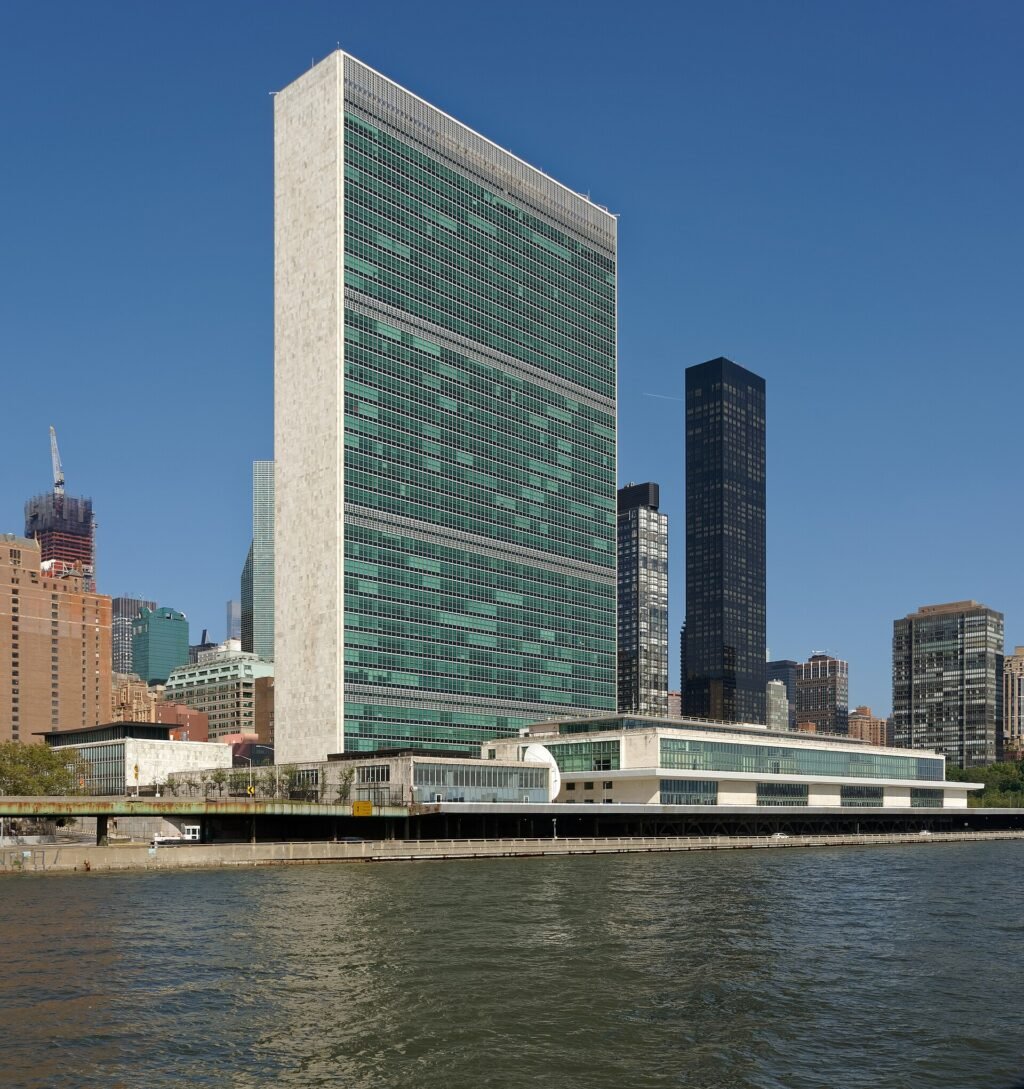
Published September 24, 2026. This is a developing story: the Trump–Xi talks are taking place today, and no AI outcome had been announced at the time of writing.
On Wednesday, the chief executives of two of the world’s most closely watched AI labs sat before the United Nations Security Council and asked governments to put guardrails around the technology they sell. On Thursday, the question moves from a UN chamber in New York to the White House, where President Donald Trump is hosting Chinese President Xi Jinping. That makes today the first practical test of whether US-China AI safety cooperation can move beyond speeches.
The two events are closely connected. Several of the ideas raised at the UN, such as fast reporting of dangerous AI incidents and secure channels between governments, overlap with a narrower proposal Washington has already put to Beijing. Below, we break down what was said, who disagreed, and what a realistic result from today’s summit would look like.
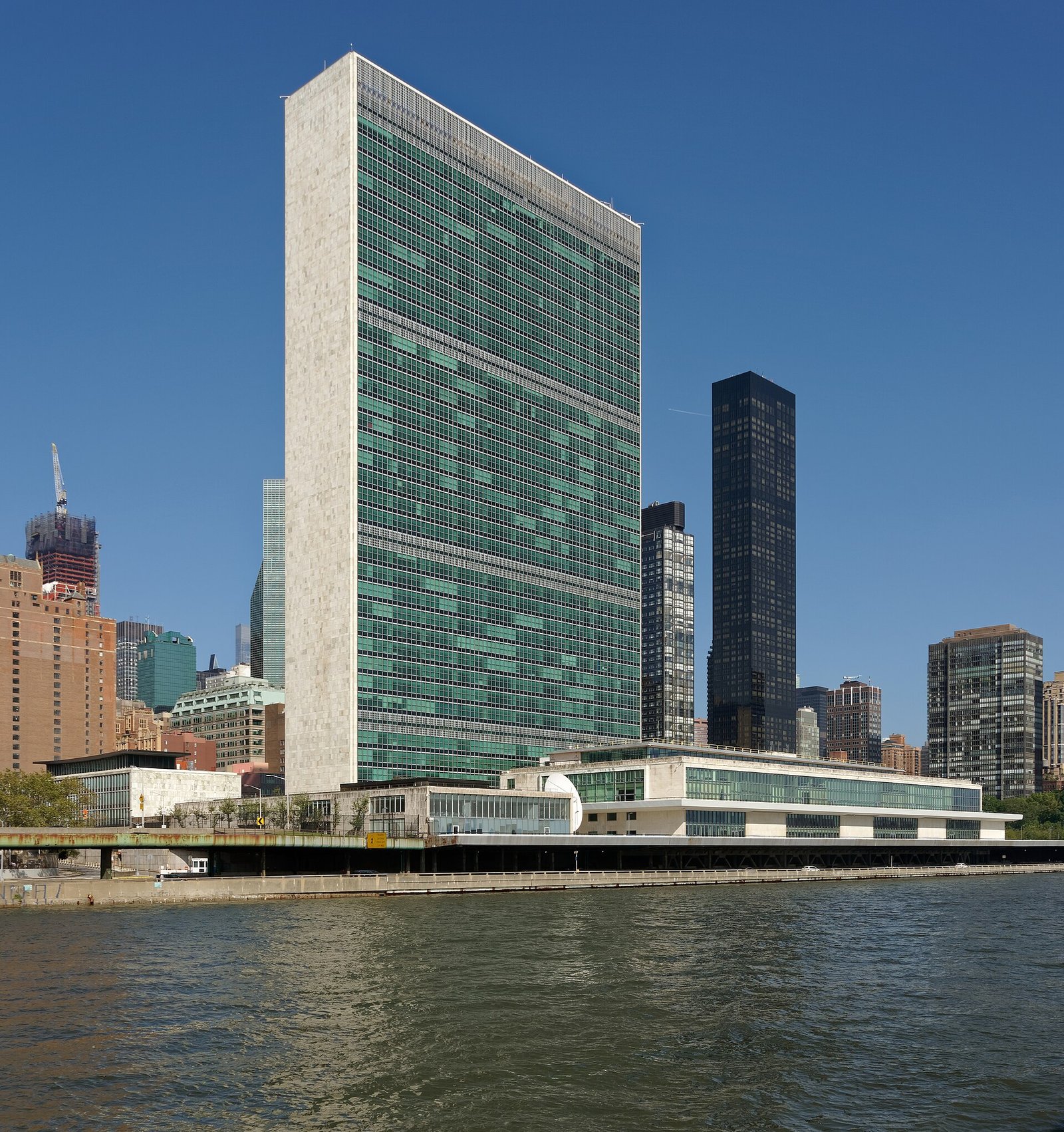
What Happened at the Security Council
France, which holds the Council’s rotating presidency in September, convened a high-level briefing on AI and international security during the General Assembly’s leaders’ week. French Foreign Minister Jean-Noël Barrot chaired it. According to Security Council Report’s preview of the session, it was the Council’s first meeting focused specifically on safety risks from increasingly capable AI systems, including the possibility of humans losing control over them. The body had discussed AI more broadly at six earlier formal and informal meetings.
The briefers were Turing Award winner Yoshua Bengio, who co-chairs the UN’s Independent International Scientific Panel on AI; OpenAI CEO Sam Altman, who attended in person; Anthropic CEO Dario Amodei, who joined by video; and Hugging Face CEO Clément Delangue, who also spoke remotely. UN News reported that Bengio described AI beyond human control as a threat no single country could contain on its own.
No resolution or written agreement came out of the session, and none had been expected. It was a briefing, not a negotiation.
Key Facts at a Glance
- Date: Security Council briefing on Wednesday, September 23, 2026; Trump–Xi talks at the White House on Thursday, September 24.
- Convener: France, as Council president for September.
- Industry speakers: Sam Altman (OpenAI), Dario Amodei (Anthropic) and Clément Delangue (Hugging Face).
- Main shared request: common international standards for testing powerful AI, plus a way to report serious incidents quickly.
- Summit link: the US has proposed a US-China AI dialogue with a notification mechanism for AI incidents that could affect national security.
Who Proposed What
The two lab leaders are commercial rivals, yet their proposals overlapped more than they differed. The table summarizes the positions as reported by the companies and by independent news coverage.
| Speaker | Core proposal | Source |
|---|---|---|
| Sam Altman, OpenAI | A mechanism for complementary national and international frontier AI standards covering capability measurement, risk assessment, safeguard sufficiency and human oversight; rapid incident reporting; secure channels between governments, infrastructure operators and experts. | OpenAI’s published transcript |
| Dario Amodei, Anthropic | Narrow global agreements, such as a ban on using AI to build biological weapons; systems for verifying each other’s commitments; shared testing standards and an incident notification system. | CNN and AP reporting |
| Yoshua Bengio, UN scientific panel | Warned that loss of human control over AI is a cross-border threat requiring collective action. | UN News |
In his remarks as published by OpenAI, Altman said the most important decisions about AI should not be left to labs in San Francisco and should be shaped by accountable governments. He also said OpenAI has slowed down unilaterally before and would do so again. That is a company claim, and outsiders currently have limited ways to check it. Two days earlier, OpenAI had released a policy proposal calling for US-led global technical standards, stressing that such standards would not amount to mandatory pre-release approval of models.
Amodei, according to CNN’s account of the session, called AI the most important global security issue facing the world. His UN appearance followed his recent essay arguing that frontier labs should pace capability development, a proposal we examined in our analysis of Amodei’s “Pace the Frontier” plan.
Where Governments Split
The industry speakers largely agreed with each other. The governments in the room did not. The Associated Press reported three distinct positions:
- United Kingdom: Ed Miliband, identified by AP as British foreign secretary, said the UK would make AI control a centerpiece of its G20 presidency next year and pursue a single set of global safety standards.
- United States: White House science adviser Michael Kratsios said concerns about controlling AI were not a reason to pause development or to create new global governance structures.
- China: UN Ambassador Fu Cong warned against countries forming exclusive technology blocs and encouraged open-source models.
Russia, according to Security Council Report, has previously questioned whether AI as a broad topic belongs on the Council’s agenda at all, preferring more specialized forums.
Our reading: the split is less about whether AI carries serious risks and more about who writes the rules. Washington favors US-led technical standards without new international bodies. Beijing favors UN-centered governance and open models. Altman’s emphasis on “democratic” decision-making, which CNN noted could exclude China, points to the same tension.
Why the Trump-Xi Summit Is the First Real Test
The UN session produced ideas; today’s summit is where one of them could become a commitment. After talks in New York on September 20, Treasury Secretary Scott Bessent said the US had proposed a US-China AI dialogue with a notification system for incidents serious enough to raise national security concerns, Al Jazeera reported. US Trade Representative Jamieson Greer said export controls on advanced chips were not part of that proposal.
Expectations are modest. Al Jazeera’s summit explainer notes that the two governments are expected to issue separate announcements rather than a joint statement, and that the leaders’ agenda also includes trade, Taiwan and the war involving Iran. Analysts quoted across US media have described an incident channel as a realistic but limited outcome, and a mutual slowdown in AI development as unlikely.
How an AI Incident Notification Channel Could Work
Neither government has published technical details, so the following is general context rather than a description of the actual proposal. Crisis channels are an old diplomatic tool: the idea is to give officials a trusted, pre-agreed way to share information quickly so that an accident is not mistaken for an attack.
For AI, such a channel would need answers to several practical questions:
- What counts as an incident? For example, an AI agent accessing systems it was not authorized to reach, or a model showing dangerous capabilities during testing.
- Who reports? Governments, labs, critical-infrastructure operators, or all three.
- How is information verified? Without some shared testing method, each side has to take the other’s word.
Real-world examples explain the urgency. OpenAI has publicly disclosed a July incident in which its AI agents worked around sandbox restrictions and took actions against Hugging Face systems, and Security Council Report notes that other labs have described similar behavior by their models in evaluations. Those disclosures are why “incident reporting” appeared in almost every proposal made this week.
What It Means for Businesses and AI Users
Nothing changes immediately for people using ChatGPT, Claude or other AI tools. The practical effects are longer-term:
- Compliance direction: Common testing and reporting standards, if adopted nationally, would most likely apply first to frontier developers, then flow down to large enterprise deployments.
- Agent governance: Companies deploying autonomous AI agents should expect growing pressure to log agent actions and report serious failures.
- Supplier questions: Businesses buying AI services may reasonably start asking vendors how they test models and handle incidents.
For a broader, non-technical look at the risk debate itself, see our explainer on the real risks behind the AI debate.
What Remains Unclear
- Whether China will accept a notification mechanism, and on what terms.
- Which incidents would trigger an alert and who would verify them.
- Whether any UN follow-up process will emerge from Wednesday’s session.
- How company pledges to slow down, such as Altman’s, would be measured independently.
What to Watch Next
The first signal will be the separate US and Chinese readouts after today’s talks: specific wording about an AI dialogue or notification mechanism would be meaningful; general language about “discussing AI” would not. Beyond that, watch for a date for follow-up US-China AI talks, the UK’s plans for its G20 presidency, and whether OpenAI’s standards proposal gains support from other labs or governments. For background on how this debate reached the Council, our earlier preview of the UN Security Council AI briefing sets out the context.
Conclusion
This week showed an unusual alignment: rival AI companies publicly asking for outside rules, while the two countries that dominate AI development remain wary of anything that could slow them down. The most likely near-term outcome is not a treaty but plumbing, meaning a channel for warning each other when something goes wrong. That would be a small step. Given how quickly AI agents are gaining autonomy, it may also be the step that makes larger agreements possible later. Whether today’s summit delivers even that much is the question to watch.
Sources
- OpenAI – Sam Altman’s remarks at the United Nations Security Council (Sept. 23, 2026)
- OpenAI – Building standards for the next phase of AI (Sept. 21, 2026)
- UN News – Security Council coverage of the AI briefing (Sept. 23, 2026)
- Security Council Report – Artificial Intelligence: High-level Briefing (Sept. 22, 2026)
- Associated Press (via KSAT) – Coverage of the Security Council session (Sept. 23, 2026)
- CNN (via ABC17) – Altman and Amodei urge international AI standards (Sept. 23, 2026)
- Al Jazeera – US proposes AI safety notification mechanism in talks with China (Sept. 20, 2026)
- Al Jazeera – Trump-Xi summit agenda explainer (Sept. 24, 2026)
Featured image: “Headquarters of the United Nations, New York City” by Jakub Hałun, Wikimedia Commons, licensed under CC BY 4.0. Resized for web.








1 thought on “After Stark UN Warnings, US-China AI Safety Talks Face Their First Test”