
Hire a Social Media Manager in 2026: What to Look For & How to Choose
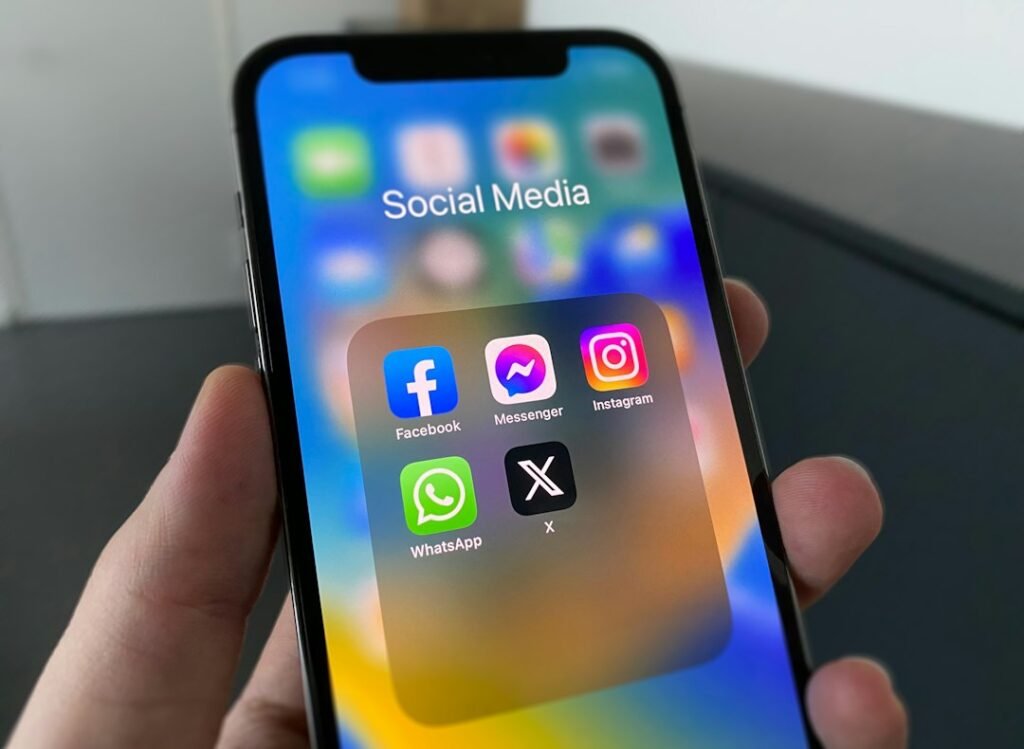
Photo by <a href="https://unsplash.com/@julianchrist?utm_source=WP+Agent&utm_medium=referral">Julian</a> on <a href="https://unsplash.com/?utm_source=WP+Agent&utm_medium=referral">Unsplash</a>
Hire a Social Media Manager in 2026: What to Look For, What They Do, and How to Choose the Right One
Social media has become one of the most important channels for businesses that want to build visibility, connect with customers, and generate sales. But managing multiple platforms consistently requires far more than simply uploading posts.
If you’re struggling to create content, respond to customers, track analytics, follow trends, or maintain a consistent posting schedule, it may be time to hire a social media manager.
In 2026, the role has expanded significantly. A good social media manager can be responsible for content strategy, short-form video, community management, analytics, social advertising, trend research, and increasingly the use of AI-powered tools.
What Does a Social Media Manager Actually Do?
A social media manager manages a brand’s presence across platforms such as Facebook, Instagram, TikTok, LinkedIn, YouTube, and other relevant channels.
Their responsibilities can include creating content, scheduling posts, responding to comments and messages, monitoring trends, analyzing performance, developing campaigns, and maintaining a consistent brand identity.
The job is therefore much more strategic than simply “posting on Instagram.”
A strong manager connects social media activity with actual business objectives such as brand awareness, website traffic, leads, customer relationships, and sales — guiding a potential customer through a rough journey of discovering the brand, following it, engaging with its content, visiting the website, making contact, and eventually purchasing.
Part of that job is also staying aware of what competitors are doing — which formats are getting attention in your industry, what gaps exist, and where there’s room to stand out — rather than posting in a vacuum. A simpler way to think about that same journey is: Attention → Interest → Trust → Action — someone discovers your content, becomes interested, builds trust through useful posts, and eventually takes a concrete action like visiting your website or making a purchase.
Why Businesses Hire Social Media Managers
1. Consistent Content
One of the biggest problems businesses face is inconsistency.
A business may publish several posts one week and then disappear for two weeks. A dedicated manager can create a content calendar and maintain a consistent publishing schedule.
Consistency helps businesses stay visible and gives audiences more opportunities to interact with the brand.
2. Better Content Strategy
Posting random content is unlikely to create sustainable growth.
A professional social media manager studies the target audience, competitors, trends, and previous performance to determine what types of content are worth producing.
This can include educational posts, product demonstrations, short-form videos, customer stories, promotional campaigns, behind-the-scenes content, and community-focused posts.
3. Faster Customer Engagement
Social media is increasingly becoming part of customer service.
Customers may ask questions through comments or direct messages before deciding whether to purchase. A manager can monitor these interactions and respond professionally and quickly.
This can be especially important for ecommerce businesses where unanswered questions can mean lost sales.
4. Understanding Analytics
Likes and followers alone don’t tell the whole story.
A good social media manager tracks meaningful metrics such as:
- Reach
- Engagement
- Video views
- Clicks
- Website traffic
- Leads
- Conversions
- Audience growth
- Cost per result for paid campaigns
The purpose of analytics is to discover what is working, what isn’t, and what should change.
When Should You Hire a Social Media Manager?
You may want to hire a social media manager if:
- You don’t have enough time to manage your accounts
- Your posting schedule is inconsistent
- Your engagement is declining
- You don’t understand social media analytics
- You’re launching a new business or product
- You want to expand to multiple platforms
- You’re running social media advertising
- Customers frequently contact you through social platforms
- You have content ideas but cannot execute them consistently
However, hiring too early can also be a mistake.
If your business has no clear target audience, weak products, poor positioning, or no realistic marketing budget, simply hiring someone may not solve the underlying problem.
A simple gut check: if you regularly find yourself thinking “I don’t have time to post,” “I don’t know what content to create,” “my engagement isn’t growing,” “my competitors are getting more attention than I am,” or “I post sometimes, but there’s no real strategy behind it,” that’s usually a sign it’s worth bringing in professional help.
What Can a Social Media Manager Take Off Your Plate?
Depending on your needs, a social media manager can handle:
Content Planning
Building a structured calendar so your accounts don’t go quiet between posts.
Creative Content
Developing posts, carousels, graphics, videos, Reels, and Stories designed around your audience.
Captions and Copywriting
Writing messages that communicate your value and prompt people to take action.
Community Management
Responding to comments and messages while maintaining your brand’s voice.
Trend Research
Finding relevant trends and content opportunities that can be adapted to your business.
Performance Tracking
Reviewing key metrics to understand what’s working and what needs to change.
Influencer Coordination
Identifying and coordinating with relevant influencers or creators when that fits the brand’s strategy.
Growth Strategy
Connecting day-to-day social media activity with your broader marketing objectives.
What Skills Should a Social Media Manager Have?
When you hire a social media manager, don’t focus only on the number of followers they have.
Look for a combination of creative, analytical, and communication skills.
Content Creation
They should understand how to create or coordinate:
- Reels
- Short-form videos
- Graphics
- Captions
- Stories
- Carousels
- Promotional content
Strategy
They should understand why particular content is being published—not just what to post.
Analytics
They should be comfortable interpreting performance data and turning it into practical improvements.
Community Management
They should know how to communicate professionally with customers, handle questions, and protect the brand’s reputation.
Trend Awareness
Social platforms change quickly. A good manager should monitor emerging formats, trends, platform updates, and audience behavior.
AI Skills
AI is becoming increasingly relevant to modern social media workflows. A manager should know how to use AI responsibly for tasks such as brainstorming, research, content ideation, workflow automation, and analysis while maintaining the brand’s authentic voice.
Should You Hire a Freelancer, Employee, or Agency?
There isn’t one answer for every business.
Freelancer
A freelancer can be a good option for a small business that needs flexible support without committing to a full-time employee.
In-House Manager
An in-house manager may make more sense when social media is a major part of the company’s marketing strategy and the business needs someone deeply involved with the brand every day.
Social Media Agency
An agency can provide access to multiple specialists, such as designers, video editors, paid advertising experts, and strategists.
The right choice depends on your budget, workload, goals, and how much expertise you need.
How Much Should You Pay?
Compensation varies significantly based on experience, location, responsibilities, industry, and whether the role includes paid advertising, content production, strategy, or team management.
As a rough market-rate reference point, listings in some regions (for example, Pakistan) have shown monthly social media manager rates ranging from roughly PKR 15,000 on the low end up to PKR 150,000 or more, depending on scope and experience. These figures aren’t a guarantee or a global standard — they simply illustrate how wide the range can be, which is exactly why comparing the responsibilities behind a quote — not just the job title or a single number — matters more than chasing the cheapest or most expensive option.
A person responsible only for scheduling posts should not necessarily be compared with someone managing content production, paid advertising, analytics, SEO, influencers, and multiple platforms.
Questions to Ask Before Hiring
Before you hire a social media manager, ask candidates:
- Can you show examples of previous work?
- What social platforms have you managed?
- How do you develop a content strategy?
- Which metrics do you track?
- How do you measure social media success?
- Can you create short-form video content?
- How do you handle negative comments?
- Have you managed paid social campaigns?
- How do you use AI in your workflow?
- What would you improve during your first 30 days?
- How often will you provide reports, and what will they include?
- How does social media activity connect with our website and sales?
These questions can reveal whether you’re speaking with a strategic marketer or simply someone who knows how to upload posts.
Don’t Hire Based Only on Followers
A large personal following does not automatically make someone a great social media manager.
The real question is whether the candidate can produce results for your business.
Look for evidence of:
- Strong content
- Audience understanding
- Consistent execution
- Meaningful engagement
- Analytics knowledge
- Business thinking
- Creative problem-solving
- Clear communication
What Should Your First 30 Days Look Like?
A good manager shouldn’t immediately start posting random content.
The first month should usually involve:
Week 1:
Understand the business, products, customers, competitors, brand voice, and existing analytics.
Week 2:
Build a content strategy and publishing calendar.
Week 3:
Begin publishing, testing different formats, and engaging with the audience.
Week 4:
Analyze results, identify successful content, and adjust the strategy.
This creates a data-driven foundation rather than relying entirely on guesswork.
Zooming out to a broader 30/60/90-day view can also help set realistic expectations: by day 30, onboarding and the initial audit should be complete; by day 60, a consistent content system should be running with early results becoming visible; and by day 90, the strategy should be refined based on real data, with a clearer picture of ROI direction. If none of that is happening by the 90-day mark, it’s a reasonable point to reassess.
Red Flags to Watch For
Alongside the green flags above, a few warning signs are worth taking seriously during the hiring process:
- Guaranteeing specific follower counts or “going viral” — no one can honestly promise this
- No willingness to discuss strategy, only “I’ll post every day”
- No real examples of past work, or examples that can’t be verified
- Vague or evasive answers about how they measure success
- Pressure to sign a long-term contract before any trial period or initial results
- Pricing that seems unusually low with no clear explanation of what’s included
- Wanting to post the exact same content across every platform instead of adapting it
None of these signs is automatically disqualifying on its own, but more than one appearing together is worth a closer look before committing.
The Biggest Hiring Mistake
The biggest mistake businesses make is expecting one person to do everything.
A social media manager may handle strategy, publishing, community management, analytics, and coordination. But if you also expect that same person to be a professional photographer, videographer, graphic designer, copywriter, paid advertising specialist, SEO expert, and customer-service representative, the role can quickly become unrealistic.
Modern hiring guidance also warns businesses against packing too many unrelated responsibilities into one social media position.
Define the role clearly before you hire.
Conclusion
To hire a social media manager successfully, businesses need to look beyond posting frequency and follower counts.
The right professional can turn social media into a structured marketing channel by combining content, community engagement, analytics, trends, and business strategy.
But hiring the right person starts with understanding what your business actually needs.
Whether you choose a freelancer, an in-house employee, or an agency, focus on skills, strategy, measurable results, communication, and cultural fit.








1 thought on “Hire a Social Media Manager in 2026: What to Look For & How to Choose”