
Perplexity vs ChatGPT: Which AI Assistant Should You Use in 2026?
Perplexity vs ChatGPT compared for research, writing, features and verified pricing, plus what UK and EU users should check before paying.

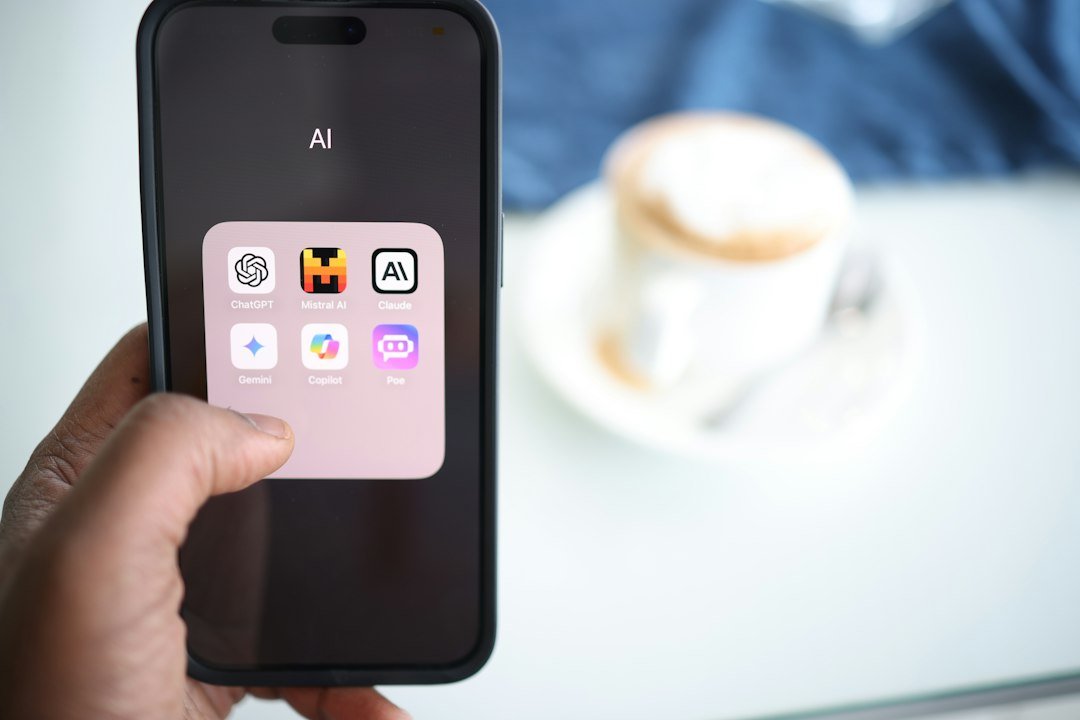
Photo by <a href="https://unsplash.com/@lukesouthern?utm_source=WP+Agent&utm_medium=referral">Luke Southern</a> on <a href="https://unsplash.com/?utm_source=WP+Agent&utm_medium=referral">Unsplash</a>
Choosing between Perplexity vs ChatGPT is one of the most common AI questions right now, and for good reason: both cost the same at the entry paid tier, both can search the web, and both can write, summarise and analyse. But they are built for different jobs. Perplexity is an answer engine designed around sourced research. ChatGPT is a general-purpose assistant that can also search.
This guide compares the two on the things that actually decide which one you should use: research quality, writing and creative work, features, pricing (verified from the official pages) and privacy considerations for readers in the UK and Europe. At the end you will find a simple “pick this if…” summary.

Perplexity vs ChatGPT: The Short Answer
- Choose Perplexity if most of your questions start with “find”, “check” or “what’s the latest on…” and you want every answer to come with sources you can click.
- Choose ChatGPT if you mainly write, brainstorm, code, analyse files or want one assistant for many different kinds of task.
- Use both on the free plans if you are not sure yet. The free tiers are generous enough to test your real work before paying.
What Is the Difference Between Perplexity and ChatGPT?
The biggest difference is the starting point.
Perplexity treats every question as a search task. It looks things up, then writes an answer with numbered citations linked to the pages it used. That makes it quick to check where a claim came from. According to Perplexity’s pricing page, its plans also give access to models from several AI companies, including OpenAI, Google and Anthropic, and paid plans let you pick your preferred model.
ChatGPT, made by OpenAI, is a conversational assistant first. Web search is one of its tools, alongside file uploads, image creation, voice chat, memory, projects and deep research. It is stronger when the task is to produce something, such as a draft, a plan, code or an analysis, rather than to look something up.
If you are also weighing Google’s and Anthropic’s assistants, our comparison of ChatGPT vs Gemini vs Claude covers those in detail. For Anthropic’s subscription costs specifically, see our breakdown of Claude’s paid plans.
Perplexity vs ChatGPT for Research
For fact-finding, Perplexity’s design gives it a practical edge. Each answer shows its sources up front, so you can open the original page, see whether it is reliable and quote it properly. That is useful for students, journalists, marketers checking competitors and anyone who needs to show where information came from.
ChatGPT can also search the web and cite pages, and its deep research feature can produce long, structured reports. The difference is emphasis: in ChatGPT, search is something the assistant decides to do; in Perplexity, it is the whole point of the product.
A simple test you can run: ask both tools the same current question, for example “What changed in the UK’s AI regulation approach this year? Cite official sources.” Then open three of the cited links in each answer. The tool whose sources are more relevant and more official is the better research tool for your topics.
Whichever you choose, AI answers can still be wrong or out of date, even with citations. Always check important facts against the original source. Our guide to AI tools for research students covers more good habits for academic work.
Perplexity vs ChatGPT for Writing and Everyday Tasks
When the job is to create rather than find, ChatGPT is usually the more natural fit. Typical examples:
- drafting emails, cover letters, blog outlines or social posts
- rewriting text in a different tone or for a UK or US audience
- brainstorming names, ideas or campaign angles
- explaining a concept step by step, with follow-up questions
- working through spreadsheets, PDFs and code
OpenAI’s pricing page lists features such as projects, scheduled tasks, custom GPTs and Codex on the Plus plan, which make ChatGPT more of a workspace than a search box.
Perplexity can write too, and paid plans include document and app creation. But its answers lean towards summarising what it found, which is ideal for briefings and less ideal for original creative writing.
For learning, both work well in different ways. See our guide on whether ChatGPT is good for learning for tips that apply to any AI tutor.
Perplexity vs ChatGPT Features Compared
| Feature | Perplexity | ChatGPT |
|---|---|---|
| Main purpose | Answer engine for sourced research | General AI assistant |
| Citations | Shown with every answer | Shown when it searches the web |
| Choice of AI model | Models from several companies; model selection on paid plans | OpenAI’s own models |
| Deep research | Research queries (1 per month on Free, more on paid plans) | Limited on Free, expanded on Plus |
| Image generation | Paid plans | Limited on Free, more on paid plans |
| Voice and memory | “Brain” memory highlighted on the Max plan | Voice chats and memory on Free, expanded on paid plans |
| Extra tools | Comet browser assistant and computer credits on paid plans | Projects, scheduled tasks, custom GPTs, Codex (Plus) |
Sources: Perplexity pricing, Perplexity Help Center and ChatGPT pricing, checked 27 September 2026. Features change often, so check the official pages before you decide.
Perplexity Pro vs ChatGPT Plus: Pricing
| Plan | Perplexity | ChatGPT |
|---|---|---|
| Free | $0 (3 Pro Searches per day, 1 Research query per month) | $0 (unlimited text chats on GPT-5.6 Luna, with limits on tools) |
| Entry paid plan | Pro: $20/month | Plus: $20/month |
| Top individual plan | Max: $200/month | Pro: see current pricing (see note below) |
| Students | Education Pro: $10/month for verified students and educators | Not listed on the pages we checked |
Where the prices come from: Perplexity’s Pro and Max prices are from its official pricing page, and the Education Pro price and free-plan limits are from its help centre. The ChatGPT Plus price is from OpenAI’s help centre article on ChatGPT Plus.
ChatGPT Go and Pro: OpenAI also offers a lower-cost Go plan, which its pricing page says may include ads, and a higher Pro plan. OpenAI’s help centre notes changes to its Pro plans in September 2026, so we have not quoted a Pro price. Check the ChatGPT pricing page for the current figure in your country, or read our full guide to every ChatGPT plan, which covers the Go, Pro and Business tiers.
Prices in the UK, Germany, France and the rest of Europe
Both companies list prices in US dollars on the pages we checked. Neither page showed official pound or euro prices, and neither states VAT for each country. What you pay in the UK, Germany, France, Spain, Italy or the Netherlands may differ once local currency and taxes are applied at checkout. Before subscribing, go to the checkout screen in your own account and confirm the final monthly amount.
Privacy and Data: What UK and EU Users Should Consider
Both services are run by US companies. If privacy matters to you, a few steps apply to either tool:
- Read the privacy policy for Perplexity and OpenAI (Europe privacy policy, covering the EEA, UK and Switzerland), especially the sections on how your chats may be used to improve models.
- Check each app’s settings for options to turn off training on your data or use temporary chats.
- Do not paste client data, health details or passwords into any consumer AI tool.
- For company use, look at the business or enterprise plans, which usually come with stronger data terms.
Privacy is an active topic in AI. For one recent example, read our report on OpenAI’s ad-tracking cookie. If you would prefer an AI assistant from a European company, our guide to Mistral Vibe, formerly Le Chat, covers the French alternative.
Perplexity vs ChatGPT: Pros and Cons
Perplexity
Pros: sources shown with every answer; quick for current events and fact-checking; access to models from several AI companies; a useful free plan for light research; a lower-priced Education Pro plan.
Cons: less suited to long creative writing; the free plan has tight limits on Pro Searches and Research queries; answers are only as good as the sources it finds.
ChatGPT
Pros: very flexible for writing, planning, coding and analysis; strong free plan for everyday chat; workspace features such as projects, scheduled tasks and custom GPTs on Plus.
Cons: sources are not front and centre unless it searches; the Go plan may include ads; the plan line-up has changed often, which makes pricing harder to follow.
Which Should You Use? Real Examples
- University student in Ireland or the UK: start with Perplexity for finding and citing sources, then use ChatGPT to help structure your own notes. Check your university’s AI policy first.
- Content marketer: use Perplexity to research what competitors and news sites are saying, and ChatGPT to draft and rewrite. Our guide to AI search monitoring explains how to see how your brand appears in tools like these.
- Freelancer or small business owner: ChatGPT Plus is usually the better single subscription because it covers more everyday tasks.
- Analyst or consultant: Perplexity Pro for sourced briefings; ChatGPT for turning findings into slides, emails and reports.
For a wider view of the tools worth knowing, see our list of the best AI tools for work and productivity.
Perplexity vs ChatGPT: FAQ
Is Perplexity better than ChatGPT?
Not overall. Perplexity is usually better for sourced research and quick fact-finding. ChatGPT is usually better for writing, creative work, coding and general help. The right choice depends on what you do most.
Is Perplexity Pro the same price as ChatGPT Plus?
Yes, both are listed at $20 per month on the official pages we checked. Local taxes and currency conversion can change the final price in the UK and EU.
Can Perplexity use ChatGPT’s models?
Perplexity’s pricing page says its plans include models from several companies, including OpenAI, and paid plans let you choose a preferred model. Which exact models are available changes over time.
Do I need to pay for either tool?
No. Both have free plans. Try them on your real tasks for a week, note which one you keep reaching for, and only upgrade that one if you hit the limits.
Final Verdict
The Perplexity vs ChatGPT decision comes down to one question: do you mostly need to find information or create something with it? Perplexity is the stronger research companion, with sources you can check in one click. ChatGPT is the more complete all-round assistant. At the same $20 entry price, a practical setup is Perplexity for research and ChatGPT for everything else. Start with both free plans, run the same test questions through each, and let your own results decide.
Information in this article was checked against the official Perplexity and OpenAI pages listed above on 27 September 2026. Plans, prices and features change regularly.





4 thoughts on “Perplexity vs ChatGPT: Which AI Assistant Should You Use in 2026?”