
Hire a Graphic Designer: Benefits, Tips & Business Guide
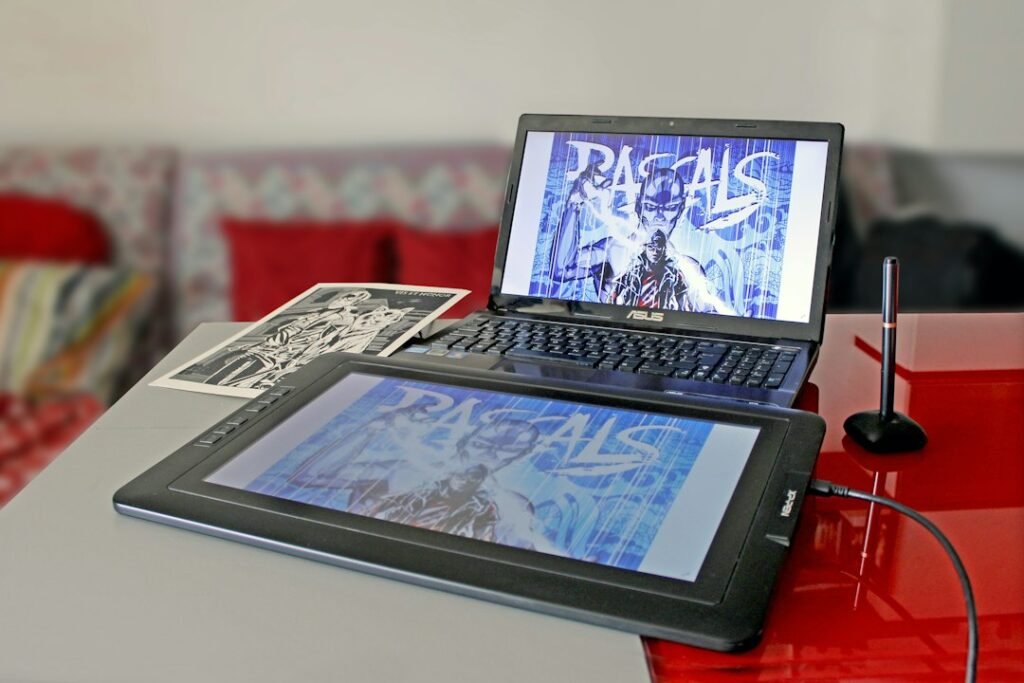
Photo by <a href="https://unsplash.com/@dan_lucifer?utm_source=WP+Agent&utm_medium=referral">Daniele Luciani</a> on <a href="https://unsplash.com/?utm_source=WP+Agent&utm_medium=referral">Unsplash</a>
Hire a Graphic Designer: Why Professional Design Matters for Your Business
In today’s competitive digital world, visual presentation can make or break a business. Customers see your logo, website, social media posts, and advertisements before they read a single word about what you offer — and within seconds, they’ve already formed an opinion. Whether you run an online store, a startup, a personal brand, or a growing company, professional graphics help you create a strong first impression. This is why many businesses choose to hire a graphic designer who can transform ideas into attractive and effective visual content.
Why Graphic Design Is Important
Customers often notice a brand’s visuals before they read its message. A professional logo, social media post, website banner, advertisement, or product graphic can immediately communicate quality and credibility.
Good graphic design can help your business:
- Build a recognizable brand identity
- Attract more attention on social media
- Improve website presentation
- Create professional advertisements
- Make products look more appealing
- Communicate complex ideas visually
- Build customer trust
Consider two businesses selling similar products online. One has clear product images, consistent branding, and professional advertisements; the other has blurry images, inconsistent fonts, and poorly arranged graphics. Even if both offer comparable products, the professionally presented business tends to appear more reliable — and that perception directly affects whether a visitor becomes a customer.
What Can a Graphic Designer Create for Your Business?
Depending on your needs, a graphic designer can work on a wide range of visual content, including:
- Logos and brand identities
- Social media posts, stories, and carousels
- Facebook, Instagram, and Google advertisements
- Website banners and landing-page visuals
- YouTube thumbnails
- Product graphics and packaging
- Brochures, flyers, and posters
- Business cards
- Presentations
- Infographics
- Email marketing graphics
- Complete brand identity materials and guidelines
Having professionally designed content across all of these touchpoints helps maintain a consistent appearance wherever customers encounter your brand.
When Should You Hire a Graphic Designer?
You should seriously consider professional design help if:
- Your brand looks visually inconsistent across platforms
- Your social media posts look amateur
- Your advertisements aren’t visually strong
- You don’t have a professional logo
- Your website needs better graphics
- You’re launching a new business
- You’re rebranding an existing company
- You don’t have time to create content yourself
- Your competitors look more professional than you
- You need design work on a regular, ongoing basis
If you’re experiencing several of these at once, waiting usually just delays improvements your business already needs.
A professional designer understands more than just colors and fonts — they consider your target audience, branding, visual hierarchy, spacing, typography, color psychology, composition, and the specific purpose of each design. That’s what allows them to create graphics that are not only attractive but genuinely effective.
Benefits of Hiring a Professional Designer
One of the biggest advantages of choosing to hire a graphic designer is consistency. Your logo, colors, fonts, advertisements, website graphics, and social media content can all follow the same visual identity, which helps customers recognize your business even as individual pieces of content change.
Professional designers also save you valuable time. Business owners already juggle customers, orders, marketing, finances, and daily operations — learning design software and creating every graphic yourself takes time away from those responsibilities. Delegating creative work lets you focus on growing the business instead.
Another benefit is originality. A skilled designer creates customized graphics based on your specific business goals and audience, rather than relying entirely on generic templates that your competitors may also be using.
Building Effective Advertising Creative
Advertising is an area where design skill makes a particularly visible difference. Whether you’re running Facebook, Instagram, Google, or LinkedIn campaigns, your creative has only a few seconds to communicate its message.
A useful way to think about ad structure is:
Attention → Message → Benefit → Action
The right image grabs attention. The headline communicates the offer. Visual hierarchy highlights the benefit. The call-to-action tells the customer exactly what to do next. A designer can combine these elements into a visual that genuinely supports your marketing goals — and can often prepare multiple versions of an ad so you can test different headlines, images, and messages against each other.
What Makes a Great Business Design?
Great design isn’t necessarily complicated — some of the strongest designs are simple. A strong business design usually has:
- A clear message — the customer should quickly understand what you’re offering
- Strong visual hierarchy — the most important information stands out
- Consistent branding — colors, fonts, and visual elements work together
- Professional imagery — low-quality visuals can undermine an otherwise strong design
- A clear call-to-action — telling the customer what to do next
That’s how design becomes a genuine business tool rather than simple decoration.
How to Choose the Right Graphic Designer
Before you hire a graphic designer, review their portfolio carefully — look at several examples rather than judging based on a single impressive piece. Pay attention to quality, creativity, and consistency across their work.
Key factors to evaluate:
Portfolio Quality
Look for range as well as quality — can they adapt their style to different brands, or does everything look the same?
Industry Experience
Experience in or near your industry can be valuable, since the designer may already understand your audience and competitors.
Communication
Your designer should understand your instructions, ask relevant questions, and be comfortable receiving and acting on feedback.
Reliability
Deadlines matter, especially for time-sensitive marketing campaigns or product launches.
Pricing
Compare pricing based on the complete service offered — not just the cheapest quote.
Revisions
Ask how many rounds of revisions are included before the project begins, so expectations are clear from the start.
Before starting a project, it also helps to ask directly:
- Can I see your portfolio?
- Have you worked with businesses like mine?
- How many revisions are included?
- What files will I receive?
- Can you follow my existing brand guidelines?
- What is your delivery timeline?
- Can you create original designs rather than modifying templates?
These questions can save you time, money, and frustration down the line.
Getting the Right Files
One detail businesses sometimes overlook is file format. For professional branding, you may need editable or scalable source files in addition to standard exports. Depending on the project, useful formats can include AI, EPS, SVG, PDF, PNG, and JPEG. This matters because a logo that looks perfect on a website can become blurry or unusable when printed on a large sign if you only have a small raster file to work with.
Freelance Designer or Design Agency?
Your choice depends on your budget and requirements. A freelance designer can be a good option for individual projects or smaller businesses — a logo, a set of social media graphics, or a single advertisement. A design agency may be more suitable when you need multiple design services, ongoing branding support, or a larger creative team.
There’s no universal answer — the right choice depends on your project size, budget, deadlines, and long-term goals. For a detailed breakdown of specific platforms, pricing tiers, and which type of hiring model fits which situation, see our companion guide: Graphic Designer for Hire Online: Best Options & Prices.
Whichever route you choose, avoid picking a designer purely because they’re the cheapest option. A low-cost design that doesn’t represent your brand properly may need to be redone later, and poor-quality visuals can weaken your professional image in the meantime. Instead of asking only “how much does this cost,” it’s worth asking: “what value will this design actually provide my business?”
Stand Out From Competitors
If your competitors have professional websites, advertisements, and branding while your business relies on low-quality visuals, you may struggle to build the same level of credibility. Unique, professional design can help differentiate your business — not by copying what competitors are doing, but by identifying what makes your business different and communicating that visually.
Good design doesn’t guarantee sales on its own, but it does support the customer journey: a product ad needs to make the product clear, a landing page needs to communicate benefits, and a promotional banner needs to make an offer easy to understand. This is why graphic design is best treated as part of your overall marketing strategy, not simply decoration.
Give Your Designer a Clear Brief
Once you’ve chosen a designer, give them clear information to work from. A good design brief typically includes:
- Business name
- Project purpose
- Target audience
- Required dimensions
- Preferred colors
- Brand guidelines (if you have them)
- Examples you like
- Text that must appear in the design
- Deadline
- Where the design will be used
The clearer your instructions, the easier it is for the designer to produce something that matches your expectations on the first attempt. Once work is underway, review the full portfolio rather than one sample, discuss revisions before starting, and give specific feedback — explaining what you want changed and why, rather than simply saying “I don’t like it” — helps designers produce better results faster.
The Long-Term Value of Professional Design
Professional graphic design shouldn’t always be viewed as a simple expense — it can be an investment in your brand. A strong logo may be used for years. A consistent brand identity can appear across your website, social media, packaging, advertisements, and business documents. As your business grows, that consistency helps customers recognize your company more easily, and can help a growing business look more established over time.
Conclusion
Professional visual content is no longer optional for businesses competing online. Strong design can improve your brand image, attract attention, and help customers remember your business. Whether you need a logo, social media graphics, advertisements, website visuals, or product designs, the right professional can make a significant difference.
If your current visuals look inconsistent or fail to attract customers, it may be the right time to hire a graphic designer and give your brand a more professional identity. Good design is not simply about making something look beautiful — it’s about communicating the right message to the right audience in a clear, memorable, and professional way.
Ready to compare specific platforms, pricing, and where to actually find a designer? See our guide to Graphic Designer for Hire Online: Best Options & Prices.




1 thought on “Hire a Graphic Designer: Benefits, Tips & Business Guide”