AniSora Workflow: A Complete Guide to AI Anime Video Creation
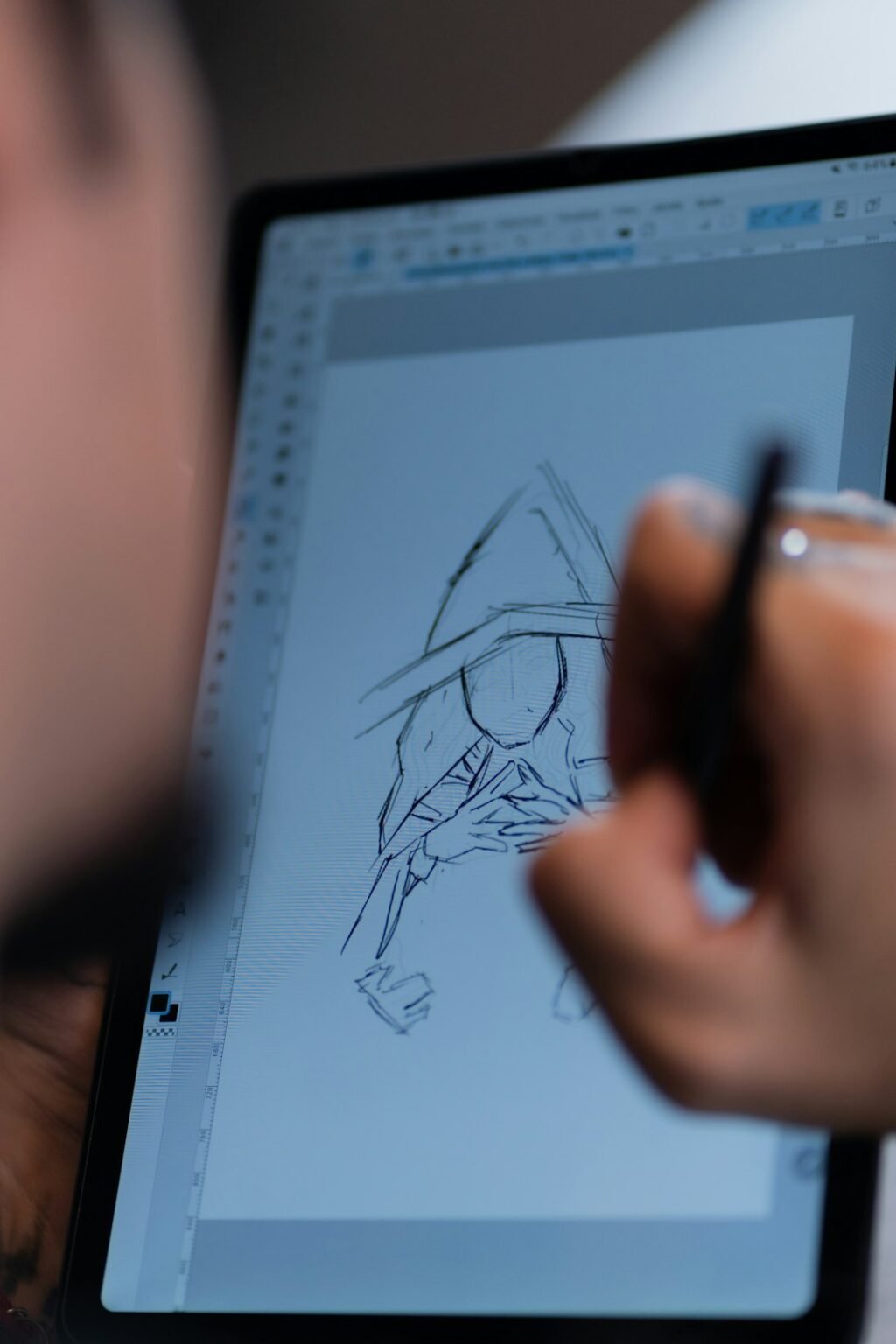
Photo by <a href="https://unsplash.com/@wolfart32?utm_source=WP+Agent&utm_medium=referral">Rodrigo Rodrigues | WOLF Λ R T</a> on <a href="https://unsplash.com/?utm_source=WP+Agent&utm_medium=referral">Unsplash</a>
AniSora Workflow: A Complete Guide to AI Anime Video Creation
AI is rapidly changing the way animated videos are created. Tasks that once required extensive animation skills, expensive software, and significant production time can now be supported by AI-powered tools.
One of the interesting developments in this space is AniSora, an AI animation system designed specifically around anime and animated video generation. The project focuses on areas such as image-to-video generation, controllable animation, frame interpolation, and other animation-oriented capabilities.
The AniSora workflow provides a structured approach to turning creative ideas and reference images into animated video sequences.
What Is AniSora?
AniSora is an AI system focused on animation video generation. Its research introduced a data-processing pipeline, controllable generation model, and evaluation dataset specifically designed for animation. The project was developed to address challenges that general video-generation systems can face when producing anime-style content.
AniSora has also evolved into newer versions with additional capabilities. The project documentation describes features including image-to-video generation and 360-degree character rotation workflows.
Understanding the AniSora Workflow
The basic idea behind the AniSora workflow is to break an animation project into manageable stages instead of expecting AI to generate an entire finished video from one simple prompt.
A typical workflow can include:
- Creating or selecting a reference image
- Preparing a detailed animation prompt
- Defining the desired camera movement
- Generating a short video sequence
- Reviewing character and motion consistency
- Refining the output
- Combining individual shots into a final sequence
This structured approach can give creators more control over the final result.
Image-to-Video Generation
One of the most useful applications is image-to-video generation. A creator can start with an image and provide instructions describing how the character or environment should move.
For example, a still anime character could be turned into a short sequence involving walking, turning, waving, or interacting with the environment.
The AniSora V3 documentation includes image-to-video inference workflows and supports video generation from reference images.
Character Consistency
Character consistency is one of the biggest challenges in AI animation. When generating multiple shots, characters can sometimes change their clothing, facial features, hairstyle, or proportions.
A good AniSora workflow addresses this by using reference images and controlled generation techniques. Keeping important visual characteristics consistent across shots can make the final animation feel much more professional.
For longer projects, creators can also divide the story into shorter shots and review each shot individually before moving forward.
Camera Movement and 360-Degree Animation
Camera control is another important part of AI animation. Instead of generating random movement, creators can define specific camera paths and angles.
AniSora-related workflows include 360-degree character rotation and camera-pose controls. These approaches can be useful for character showcases, animation references, and creative video sequences.
For example, a character can be gradually rotated from the front to the back while maintaining a relatively consistent visual identity.
Shot-by-Shot Production
Creating a complete animation as one long generation can be difficult. A better approach is often to divide the story into individual shots.
AniSora Studio’s workflow cases demonstrate this concept with short sequences planned shot by shot. For example, an action sequence can be divided into several shots, with each shot having its own movement, camera direction, and production constraints.
This makes it easier to control pacing, composition, character movement, and visual continuity.
Refinement and Multiple Passes
The first AI-generated result does not always need to be the final version.
Creators can generate a draft, identify problems, and then refine the sequence. This may involve adjusting the prompt, changing camera movement, improving the reference image, or generating another pass.
Some AniSora workflows also describe multi-stage refinement where an initial generation is used as a reference for a higher-quality second pass.
This approach can improve consistency, although it may require additional generation time and computing resources.
Using AniSora With ComfyUI
Advanced users may integrate AniSora-based models into ComfyUI workflows. These workflows can provide greater control over model loading, prompts, reference images, camera poses, sampling, and video output.
The exact workflow depends on the AniSora version and the supporting nodes or model files being used. Current project documentation provides setup and inference examples for newer AniSora versions.
For beginners, it is generally better to start with a simple workflow before moving into complex node-based setups.
Practical Tips for Better Results
To get better results from an AI animation workflow, creators should focus on clarity and consistency.
Keep Prompts Specific
Describe the character, action, environment, camera movement, lighting, and overall style clearly.
Start With Short Clips
Short clips are easier to review and regenerate than long sequences.
Use Strong Reference Images
A clear reference image can help maintain character appearance and composition.
Control Camera Movement
Unnecessary camera movement can make AI-generated footage look unstable. Simple, intentional movement is often easier to control.
Review Every Shot
Do not assume that every generated frame will be perfect. Review the output before using it in the final video.
Who Can Benefit From AniSora?
The technology can be useful for a variety of creators, including:
- Anime content creators
- Independent filmmakers
- YouTube creators
- Game developers
- Animation students
- Digital artists
- Social media creators
- Creative agencies
The Future of AI Anime Workflows
AI animation is still developing quickly. Future workflows are likely to provide more control over characters, environments, camera movement, motion, and editing.
The biggest opportunity is not simply generating individual AI clips. It is building a repeatable production process where ideas can move from script and storyboard to reference images, controlled shots, refinement, and final editing.
That is where a structured AniSora workflow can become particularly valuable for creators who want more predictable and organized AI animation production.
Conclusion
AniSora represents an important direction in AI-powered animation, with a focus on anime video generation and controllable creative workflows. Its capabilities and related workflows demonstrate how creators can combine reference images, prompts, camera controls, shot planning, and refinement to produce animated sequences.
As AI animation technology continues to improve, workflows like AniSora may make professional-looking animated content more accessible to independent creators and small production teams.